
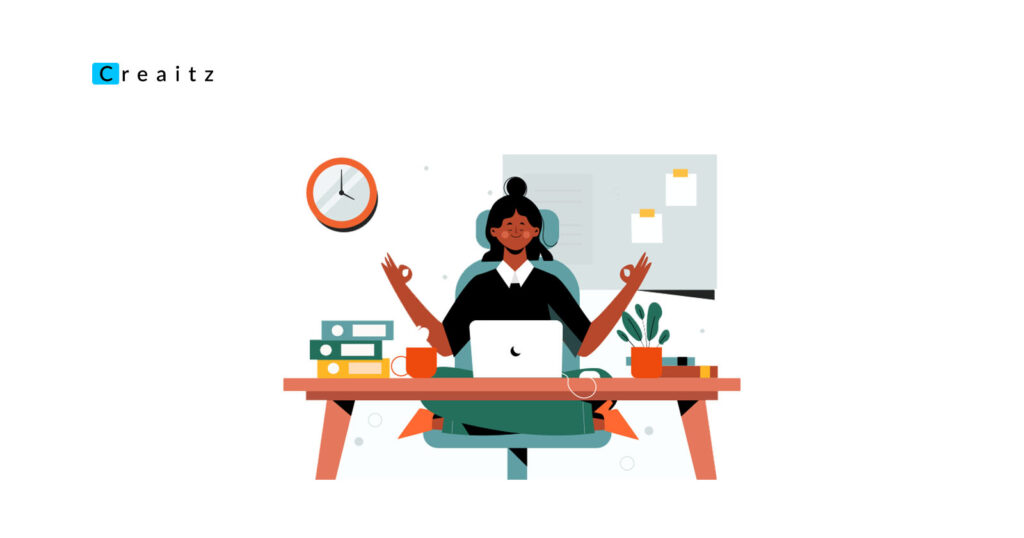
Freelancing looks like freedom. You work from anywhere. You choose your clients. You control your time. On the outside, it feels like the perfect lifestyle.
But for many freelancers, there is a hidden struggle. It starts slowly. You take on more work. You stay online longer. You feel like you can’t say no. Before you know it, you are tired all the time.
You feel stressed, even when you are not working. This is what we call silent burnout. It does not happen all at once. It builds up quietly.
Most people do not notice it until it starts affecting their health and productivity. In this article, you will learn what freelancer burnout really is, the signs to watch out for, and simple ways to protect your mental health while working online.
Table of Contents
ToggleWhat is Freelancer Burnout
Freelancer burnout is a state of mental and emotional exhaustion. It happens when you feel drained, stressed, and overwhelmed for a long period of time. You may still be working, but you feel tired, unmotivated, and disconnected from what you do.
Even simple tasks can start to feel heavy.
Burnout is very common among freelancers for a few reasons.
First, there is no fixed schedule. You can work anytime, which sounds good, but it can also lead to overworking. You may find yourself working late nights or even weekends without proper rest.
Second, there is constant pressure to earn. Since income is not always stable, many freelancers feel the need to keep working all the time. This pressure can lead to stress and anxiety.
Third, freelancing can feel lonely. You often work alone without a team to talk to or share ideas with. Over time, this isolation can affect your mental health.
All these factors can slowly lead to burnout if not managed well.
Signs You Might Be Experiencing Burnout
Burnout does not always show up in obvious ways. Sometimes, the signs are small at first. Over time, they become harder to ignore. Here are some common signs to watch out for:
- Feeling tired even after resting
You sleep or take breaks, but you still feel exhausted. Your energy does not fully come back, and you feel drained most of the time. - Lack of motivation to work
Tasks that were once easy now feel difficult. You struggle to start work, and even when you do, you do not feel interested or focused. - Constant stress about money or clients
You keep thinking about income, deadlines, or losing clients. This stress stays in your mind even when you are not working. - Feeling isolated or disconnected
Working alone starts to feel heavy. You may feel cut off from others or wish you had people to talk to about your work. - Losing interest in things you once enjoyed
Hobbies and activities that made you happy no longer feel exciting. You may stop doing them completely.
If you notice these signs often, it may be time to slow down and take care of yourself.
Why Freelancers Are More Prone to Burnout
Freelancing gives you freedom, but it also comes with hidden pressure. Many freelancers do not notice it at first. It builds slowly through daily habits.
There are often no clear boundaries between work and personal life. You might start your day with one task, then keep going for hours.
Before you know it, it is late at night and you are still working. Your home becomes your office, and it becomes hard to switch off.
There is also the fear of losing clients. You may feel like saying no is risky. So you take on more work, even when you are already tired. You tell yourself it is just for now, but it keeps happening.
Money can also be stressful. Some months are good, others are slow. This makes you feel like you always need to be working, just to stay safe.
On top of that, you are doing all this alone. No team to talk to. No one to share the pressure with. Just you and your screen.
Over time, all of this can wear you down without you even realizing it.
Simple Ways to Protect Your Mental Health
Burnout does not go away on its own. You need small, simple habits that protect your energy every day. The good thing is, you do not need to change everything at once. Start with a few practical steps.
- Set clear working hours
Decide when your workday starts and when it ends. Try to stick to those hours as much as possible. When your work time is over, close your laptop and step away. This helps your mind separate work from personal life and gives you time to rest. - Take real breaks (not scrolling)
Many people think they are resting when they scroll on their phones. But this does not fully relax your mind. Take short breaks where you step away from screens. Walk around, stretch, drink water, or just sit quietly. Even a few minutes can help you feel refreshed. - Create a simple daily routine
You do not need a perfect schedule. Just have a simple plan for your day. Start with your most important task, then move to smaller ones. Having a routine helps you stay focused and reduces the stress of not knowing what to do next. - Learn to say no to too much work
It can be hard to turn down opportunities, especially when you need money. But taking too much work can hurt you in the long run. If your schedule is full, it is okay to say no or ask for more time. Protecting your energy is just as important as earning. - Track your progress and celebrate small wins
Sometimes you feel like you are not doing enough, even when you are. Keep track of what you complete each day. Finished a task? Delivered a project? That is progress. Take a moment to notice it. Small wins can boost your motivation and remind you that you are moving forward.
These small habits may seem simple, but they make a big difference over time.
The Power of Community and Check-Ins
Freelancing often means working alone for long hours. At first, it may feel peaceful and productive. But over time, working alone can become difficult. You may start to feel isolated, stuck, or even overwhelmed without realizing it.
When you do not have people to talk to, small problems can feel bigger than they are. You may overthink things, doubt your progress, or feel like you are the only one struggling. This is why working alone for too long can affect your mental health.
That is where community becomes important. Talking to other freelancers can make a big difference. You realize that others are going through similar challenges. This can help you feel less alone and more understood.
Sharing your struggles also helps. Instead of keeping everything inside, you can open up, ask questions, and get advice. Sometimes, just talking about your experience can reduce stress.
Regular check-ins are also helpful. This can be as simple as chatting with someone about your week, your work, or your goals. It keeps you connected and motivated.
You can find these communities in places like:
- Discord groups
- WhatsApp communities
Being part of a community gives you support, encouragement, and a sense of belonging.
Building Healthy Habits for Long-Term Success
To succeed as a freelancer, it is important to build habits that support both your work and your well-being. One of the most important things is finding a balance between work and rest. Working all the time may seem productive, but it can quickly lead to burnout.
Rest is not a waste of time. It helps you recharge and come back stronger.
Another key habit is choosing consistency over overworking. You do not need to do everything in one day. It is better to work a little every day and make steady progress. This keeps your energy stable and helps you avoid feeling overwhelmed.
It is also important to understand that mental health is directly linked to productivity. When your mind is clear and calm, you can focus better and do your work more effectively. Taking care of your mental health is not separate from success. It is part of it.
Conclusion
Freelancing offers freedom and flexibility, but it also comes with challenges that are easy to overlook. Burnout can build up quietly through long hours, stress, and working alone. The good news is that it can be managed with simple, daily habits.
By setting clear boundaries, taking real breaks, and building a routine, you can protect your energy. Staying connected with others and checking in regularly can also make a big difference. You do not have to go through the journey alone.
Remember, success is not just about how much you work. It is about how well you take care of yourself while doing it. When your mental health is strong, your work improves too.
To learn more about digital skills, freelancing, and tools that can support your journey, join Creaitz and keep growing.
Check these out too:
