

Have you been scrolling through endless job boards and still not landing a job role?
Well, you’re not the problem; you’re probably on the wrong platforms.
The best remote job platforms in 2026 aren’t the ones everyone talks about. Some are crowded, some are outdated, and some simply don’t work well for digital professionals trying to get real, paying clients.
If you’ve been wondering, “Where do I actually find legit remote jobs that pay?” then you’re in the right place,, because that’s all we will be discussing today.
What Are Remote Job Platforms
Remote job platforms are online spaces where companies post remote roles and freelancers or job seekers apply, connect, and get hired without being tied to a physical location.
They are the middle ground between talent and opportunity, making it easier to find work.
In simple terms, these platforms are where work meets visibility. That is, instead of waiting for opportunities to come to you, you place yourself where hiring is already happening.
However, it’s important to note that not all online remote job platforms work the same way.
Some are built for freelancers bidding for gigs. Others are structured like traditional job boards where companies post roles, and you apply.
And a few are curated, meaning they filter out low-quality jobs and only list verified opportunities.
That’s why when people talk about the list of remote job platforms, it’s not just about having many options, it’s about understanding how each one works and where you actually fit in.
For example, a writer or designer might thrive on platforms where portfolios matter more than resumes, while a developer might find better luck on platforms that focus on technical roles.
So before jumping on every “popular remote job platforms” list you see online, the question you should ask is this: Does this platform match how I work, what I offer, and how clients are hiring right now?
Because once you answer that right, finding opportunities becomes a lot less frustrating and a lot more predictable.
Read Also: What Is Remote Work
Writing and Marketing Platforms
If you are a writer or marketer trying to land remote work in 2026, you don’t just need “any platform”; you need platforms where businesses are already spending money to solve content, visibility, and conversion problems.
That is exactly why the best remote job platforms like Upwork and Contra are the best fit for you.
They are places where your niche-specific ability to communicate value directly connects you to paying clients.
Upwork
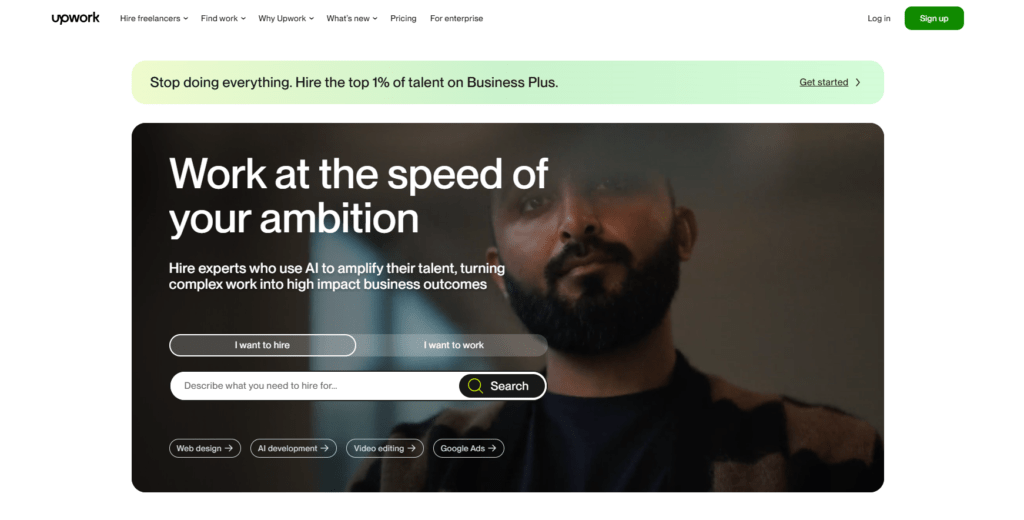
Upwork works best for writers and marketers who want steady clients and long-term income rather than one-off jobs.
It is one of the top remote job platforms where clients actively search for people who can handle blogs, SEO content, email campaigns, and marketing copy with measurable results in mind.
Most clients here are already ready to hire, even for long-term contracts. Your job is not to convince them the platform works, but to convince them you are the right choice.
Where it’s used
It’s heavily used by companies in the US, UK, and Europe, which means access to better-paying clients if you position yourself well.
How to get started (step-by-step setup)
- Go to Upwork’s website and click “Sign Up.”
- Register using email, Google, or Apple account
- Select “Freelancer” when prompted
- Fill in your profile (title, overview, skills, experience)
- Add a professional photo and portfolio samples
- Submit your profile for approval and wait for activation
- Once approved, start applying to jobs using “Connects.”
Tips to land jobs on Upwork
- Focus on a specific niche instead of being a general writer
- Use proposals to directly solve the client’s problem, not to introduce yourself
- Attach relevant samples every time you apply
- Start with smaller projects to build reviews quickly
- Stay consistent, activity improves visibility on the platform
Check out this full guide: What Upwork is and how it works.
Contra
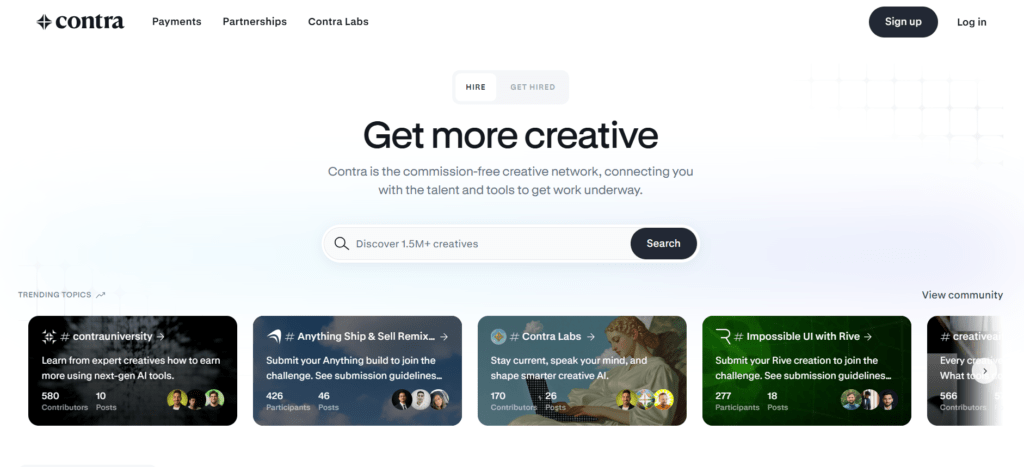
Contra is designed for freelancers who want to be discovered instead of constantly chasing jobs.
It is one of the best free remote job platforms because it removes fees and pushes you to build a strong public portfolio that speaks for you.
Unlike traditional platforms, clients here often reach out based on how well your work is presented, not how many proposals you send.
Where it’s used
Popular among startups, tech companies, and modern digital brands, especially in the US and the global startup ecosystem, where hiring is more portfolio-driven than application-heavy.
How to get started (step-by-step setup)
- Visit Contra’s website and click “Sign Up.”
- Register using email or a Google account
- Choose your freelancer category (writing, marketing, etc.)
- Set up your profile with a service description and skills
- Upload portfolio work or sample projects
- Publish your profile and start receiving discovery requests
Tips to land jobs on Contra
- Build a focused portfolio around one clear service offering
- Showcase outcomes, not just tasks (results matter more here)
- Keep your profile visually clean and simple
- Add case studies or real project examples if available
- Share your profile link outside the platform for visibility
Tech Platforms
As a tech professional, the real challenge is not just finding remote jobs, but proving your skills in a way that companies can quickly trust.
You’re expected to show working projects, real experience, and the ability to solve problems, not just list tools on a CV.
This is why the best remote job platforms for tech are the best fit for you; they are built to showcase portfolios, validate expertise, and connect you directly with companies hiring globally.
Toptal
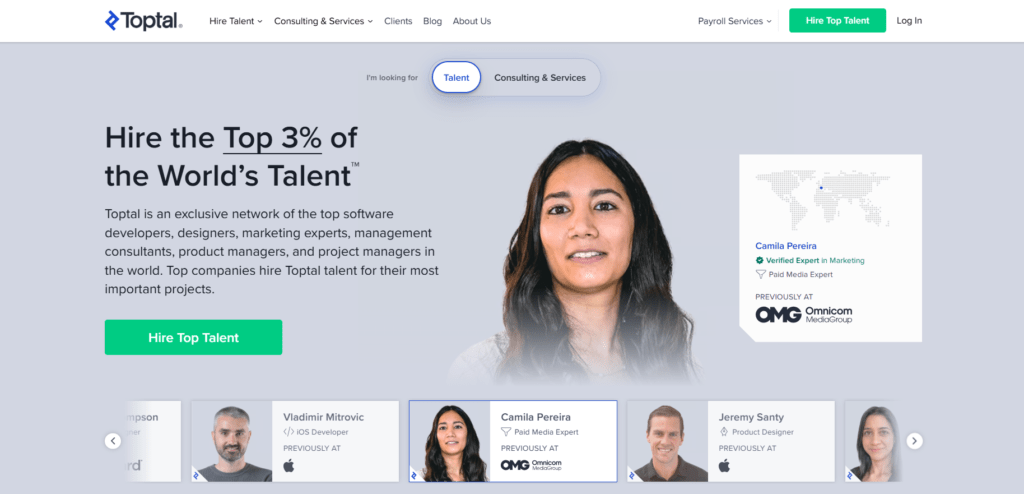
Toptal is a highly selective platform for experienced tech professionals.
It is one of the most trusted remote job platforms for high-quality clients because entry is strict and filtered.
Where it’s used
Used globally by startups, enterprises, and high-budget companies in the US and Europe looking for senior-level developers, designers, and financial experts.
How to get started (registration steps)
- Visit the Toptal website and apply through the talent application form
- Submit your basic profile details and skill area
- Complete initial screening questions
- Go through skill assessment tests and interviews
- If accepted, get matched with client projects based on your expertise
Tips to land jobs on Toptal
- Focus on showcasing deep expertise, not general skills
- Prepare strong portfolio case studies with measurable outcomes
- Be ready to explain your decision-making process in projects
- Highlight real-world problem solving, not just the tools used
- Treat the screening process like an interview, not an application
Wellfound
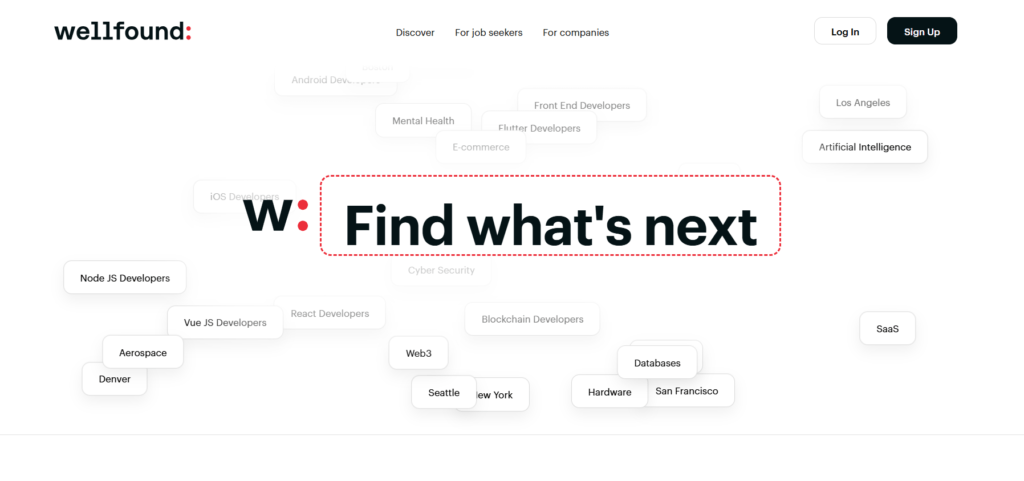
Wellfound (formerly AngelList Talent) connects tech professionals directly with startups.
It is one of the top remote job platforms for people who want to work in fast-moving startup environments.
Where it’s used
Widely used in the US startup ecosystem, especially Silicon Valley-backed companies and early-stage global startups hiring remotely.
How to get started (registration steps)
- Sign up using your email or LinkedIn account
- Build your profile with work experience and tech stack
- Add projects, GitHub links, or portfolio samples
- Set your job preferences (remote, salary range, role type)
- Start applying directly to startup job listings
Tips to land jobs on Wellfound
- Focus your profile on startup-relevant experience
- Show flexibility and ability to work in fast-paced environments
- Highlight shipped projects or products, not just theory
- Apply to startups that match your skill level, not just big names
- Engage directly with founders when possible
Content Creation Platforms
For content creators, designers, video editors, and visual storytellers, remote work is not just about getting jobs; it’s about visibility.
You need platforms that make your work easy to discover, easy to showcase, and easy for clients to trust at first glance.
That’s why the best remote job platforms in this category are built around portfolios, service packaging, and fast client decisions based on samples, not long interviews.
Also read: How to Become a Content Creator in 2026
Fiverr
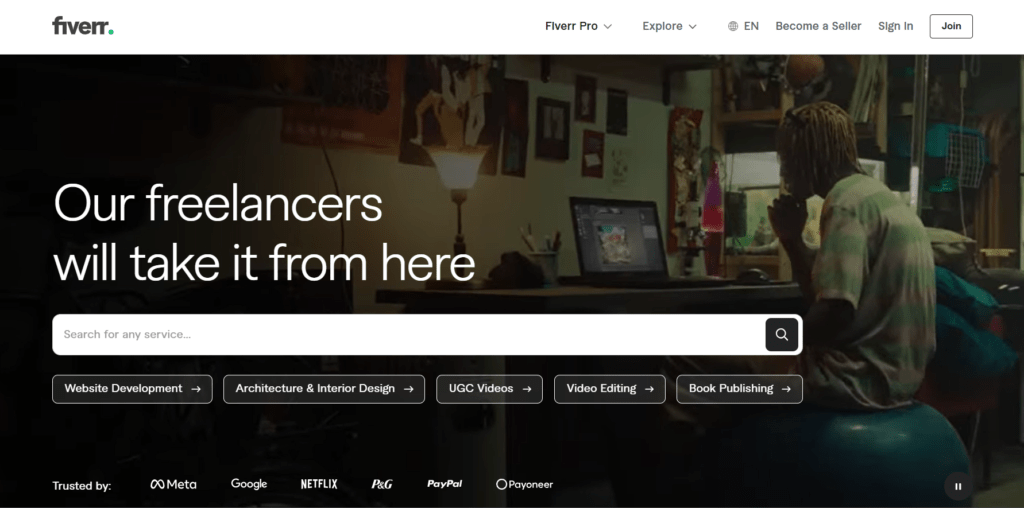
Fiverr is one of the most popular remote job platforms for creatives because it flips the usual system; instead of applying for jobs, you create services (called gigs) and clients come to you.
Where it’s used
Used globally, especially by small businesses, startups, and entrepreneurs in the US, UK, and Europe who need fast creative work at different price levels.
How to get started (registration steps)
- Sign up with email, Google, or Facebook
- Complete your profile with basic personal and skill details
- Create your first gig (service offering with title, description, and pricing)
- Upload portfolio samples or previous work
- Publish your gig and wait for client requests or orders
Tips to land jobs on Fiverr
- Create one focused gig per service (don’t mix multiple skills in one gig)
- Use clear, keyword-based gig titles that match what clients search for
- Upload strong visual samples; your thumbnail often decides your clicks
- Start with competitive pricing to get early reviews
- Deliver fast and communicate clearly to increase repeat clients
Related guide: How to Make Money on Fiverr as a Beginner
PeoplePerHour
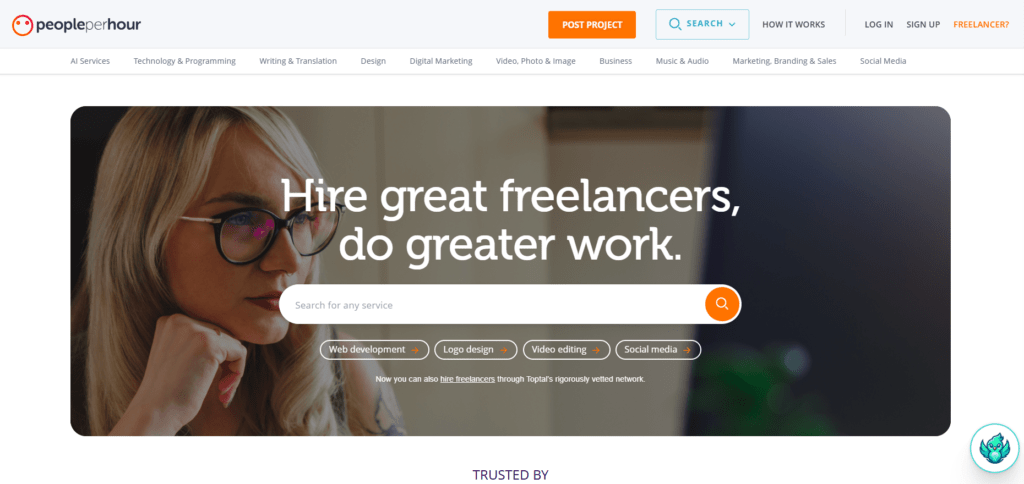
PeoplePerHour is a hybrid platform where freelancers can both apply for jobs and offer fixed-price services. It is one of the trusted remote job platforms for creatives who want structured freelance work with clearer client expectations.
Where it’s used
Strongly used in the UK and European markets, especially by small and medium-sized businesses looking for affordable creative services.
How to get started (registration steps)
- Create an account on the platform
- Complete identity and profile setup
- Add your skills and select your service categories
- Create “hourlies” (fixed service offers) or apply to posted jobs
- Submit proposals to relevant client listings
Tips to land jobs on PeoplePerHour
- Apply to projects with clear, specific proposals (avoid generic bids)
- Focus on matching client requirements exactly in your pitch
- Build a strong “hourlies” section (fixed service packages)
- Keep your profile focused on one or two core services
- Respond quickly to messages to increase conversion rate
General Platform
For most professionals, especially writers, marketers, designers, and tech workers, the hardest part of finding remote work is not just having the skill, but getting visible to the right people consistently.
Sometimes, the most powerful platform is the one where hiring already happens through networks, trust, and visibility, not applications alone.
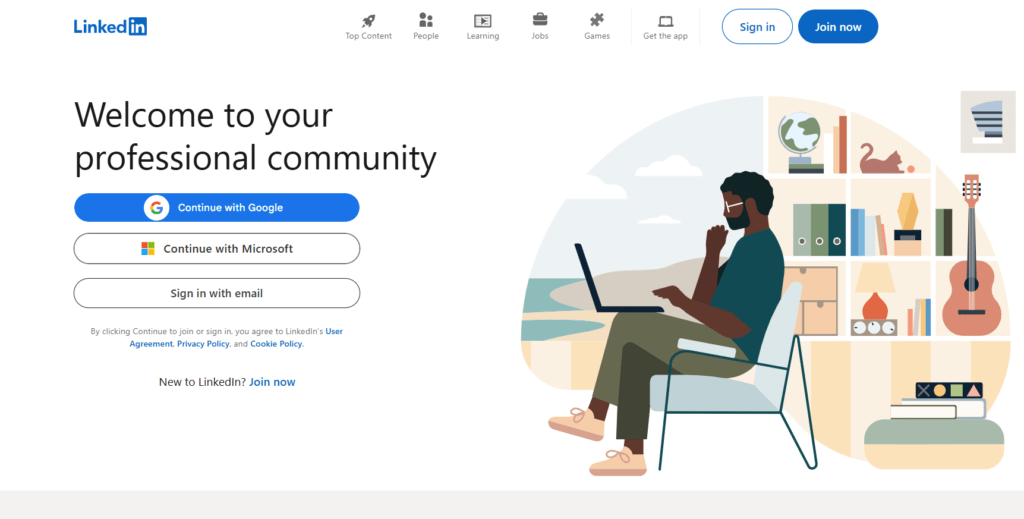
As compared to other remote job platforms, LinkedIn is not just a job board; it is a visibility engine.
It is one of the most trusted remote job platforms because companies actively recruit based on profiles, content, and professional presence, not just applications.
For remote work, especially in 2026, many hiring decisions start with what people see on your profile before they ever see your CV.
Where it’s used
Used globally by companies of all sizes, from startups to Fortune 500 companies, especially in the US, UK, Europe, and increasingly across remote-first global teams.
How to get started (registration steps)
- Sign up with your email or phone number
- Set up your profile with a professional photo and headline
- Add your work experience, skills, and education
- Upload portfolio links or samples in the featured section
- Start connecting with professionals in your industry
- Follow companies and start applying to remote roles via job listings
Tips to land jobs on LinkedIn
- Optimize your headline to clearly show what you do and who you help
- Use your “About” section to focus on value, not just personal history
- Post consistently about your work, insights, or case studies
- Engage with industry posts to increase visibility
- Directly message hiring managers or founders with clear, short value-based messages (not long introductions)
Helpful guide: How to Find Jobs on LinkedIn
Before You Close This Tab
Most people aren’t short of skills; they’re just stuck on the wrong best remote job platforms, applying everywhere and getting nowhere.
And honestly, that’s where the frustration starts.
The moment you pick one platform, set it up properly, and actually show up consistently… things start to shift faster than you expect.
If you want practical and helpful tips like this, then join us at the Creaitz community for practical digital skills that actually help you get hired.
FAQs
1. Do I need experience before using remote job platforms?
No. Many of the best remote job platforms allow beginners, but you need simple samples or personal projects to stand a chance.
2. How long does it take to get your first remote job?
It depends, but most people get results within a few weeks if they apply consistently and position themselves well.
3. Do I need to use more than one platform?
Yes, but start with one. It’s better to master one of the top remote job platforms than to spread yourself thin.
4. Are free platforms actually worth it?
Yes. Some of the best free remote job platforms work just as well as paid ones if you know how to use them properly.
5. What if I keep applying, but no one responds?
It usually means your profile or proposals need improvement, not that the platforms don’t work.
